
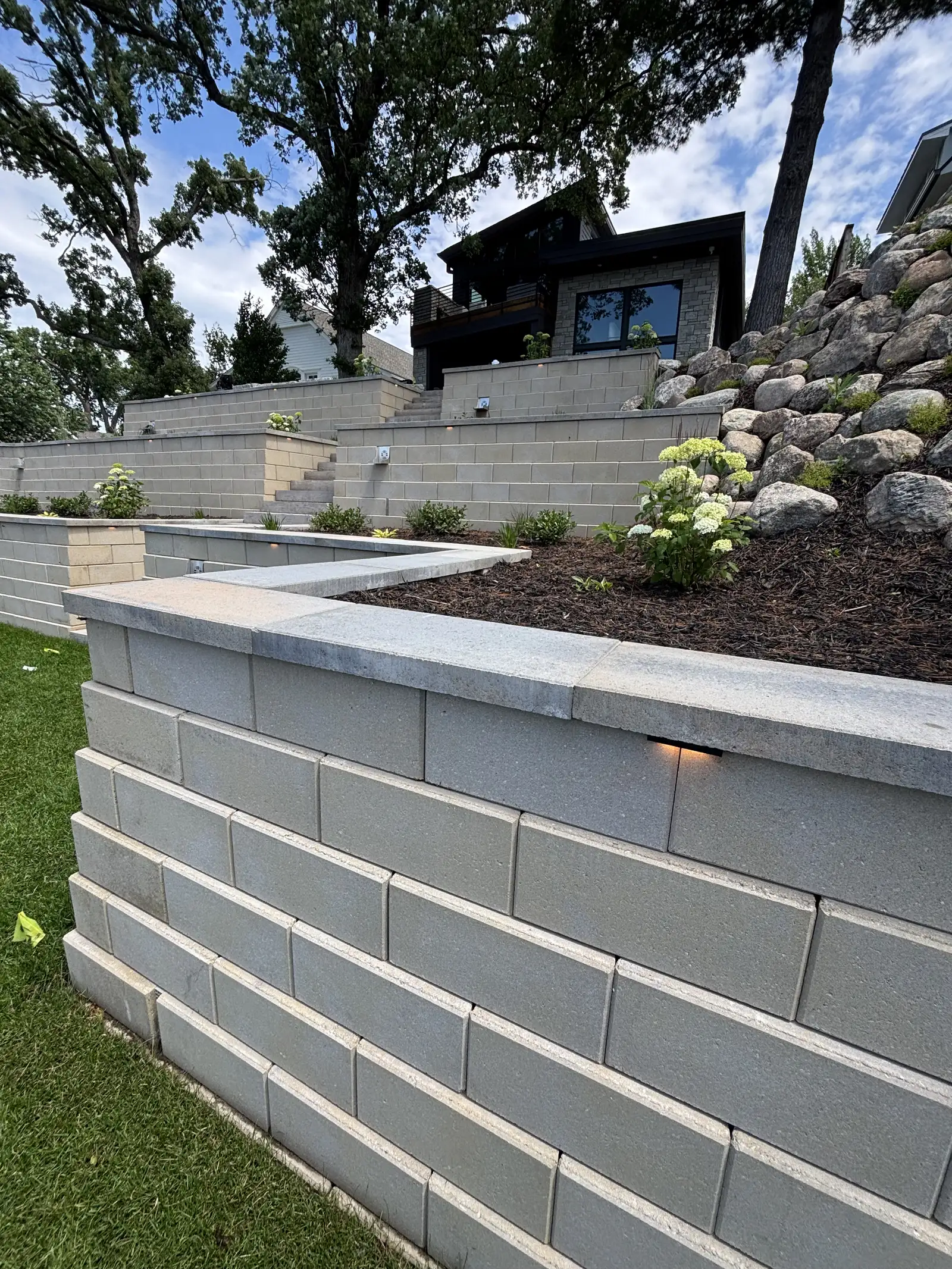
Core Landscape Services
The services that define our reputation. Each project starts with a detailed plan, transparent pricing, and materials selected for Minnesota freeze-thaw durability.
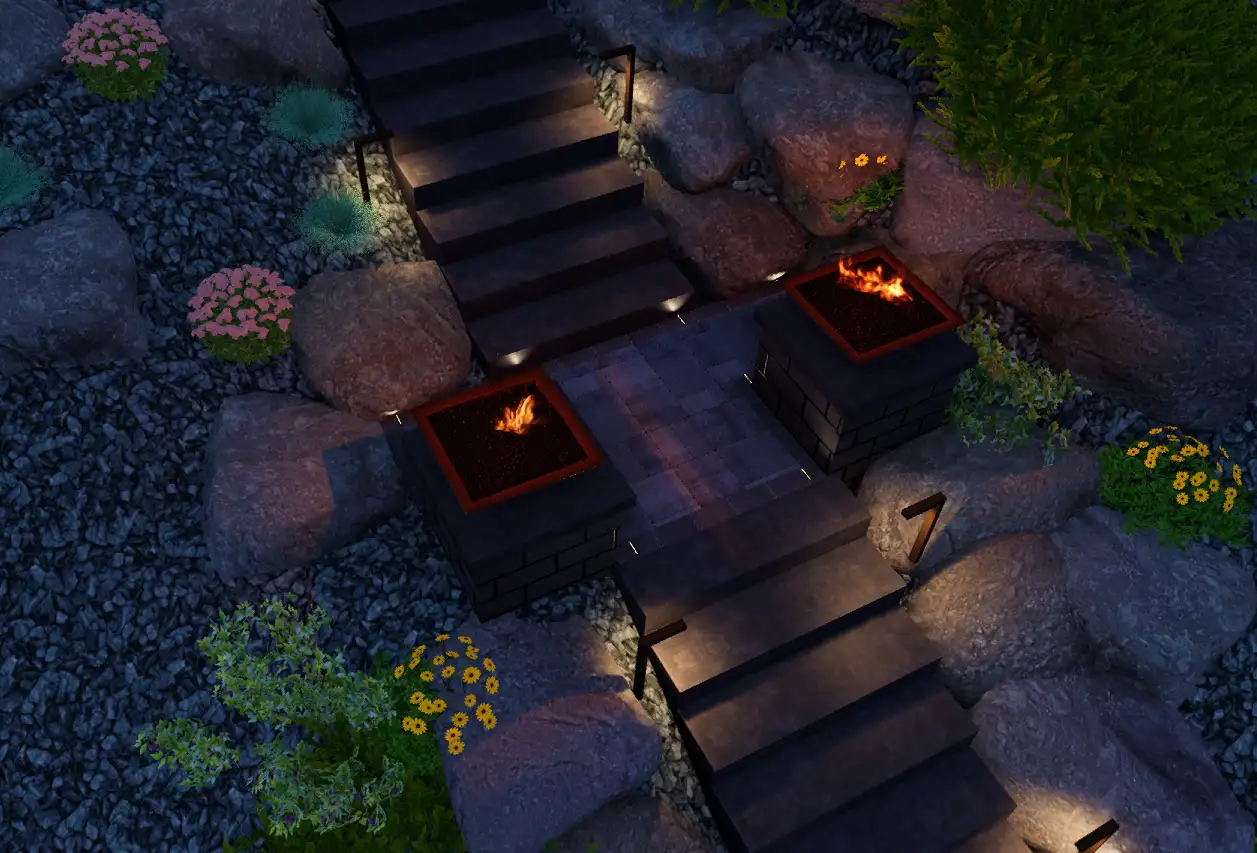
Landscape Design & Build
3D renderings and detailed plans that let you visualize your outdoor space before a single stone is placed. Design fee applies to project cost.
Learn more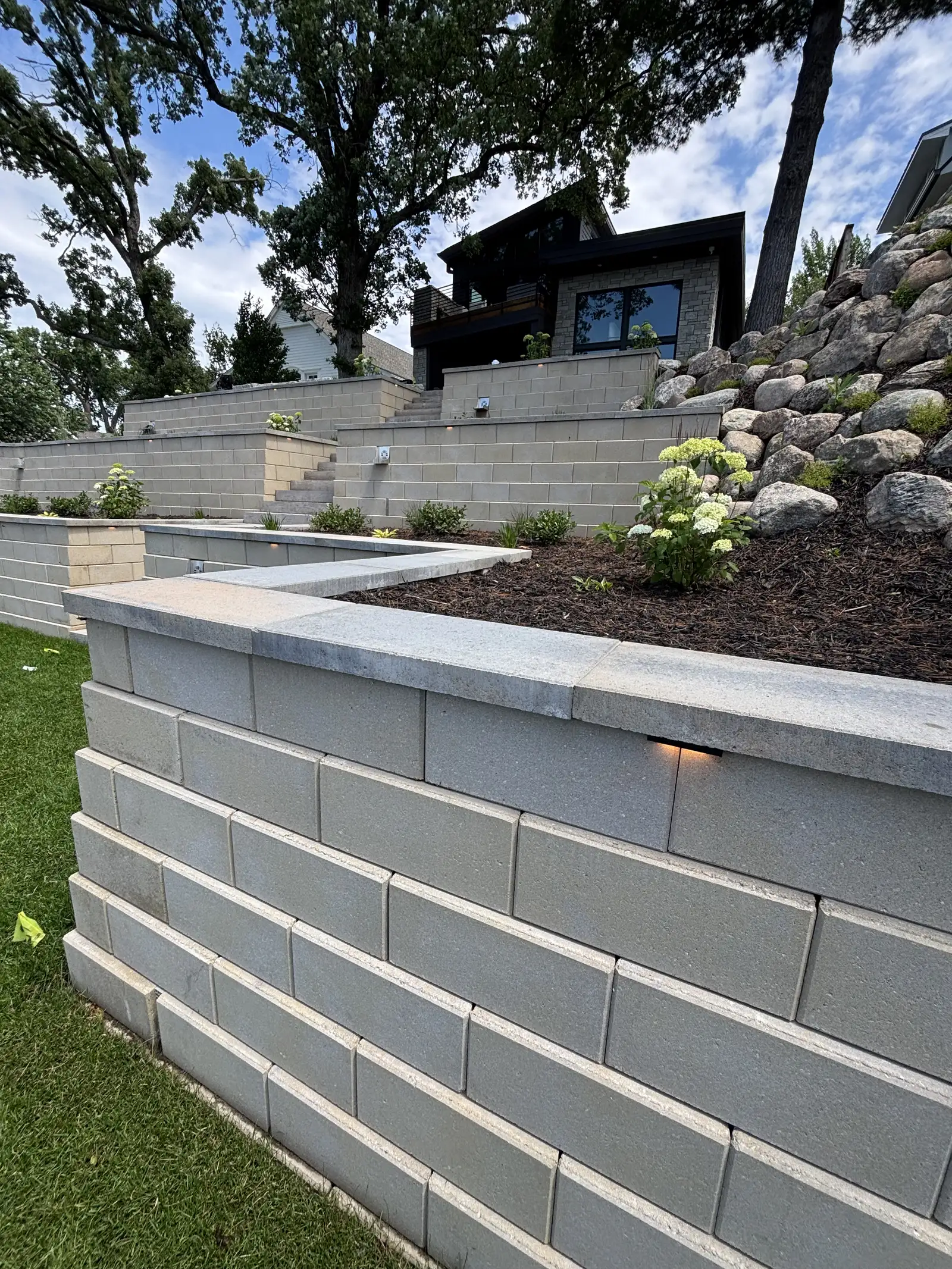
Retaining Walls
Engineered block and natural stone retaining walls built for Minnesota's freeze-thaw cycles and challenging lakeside terrain.
Learn more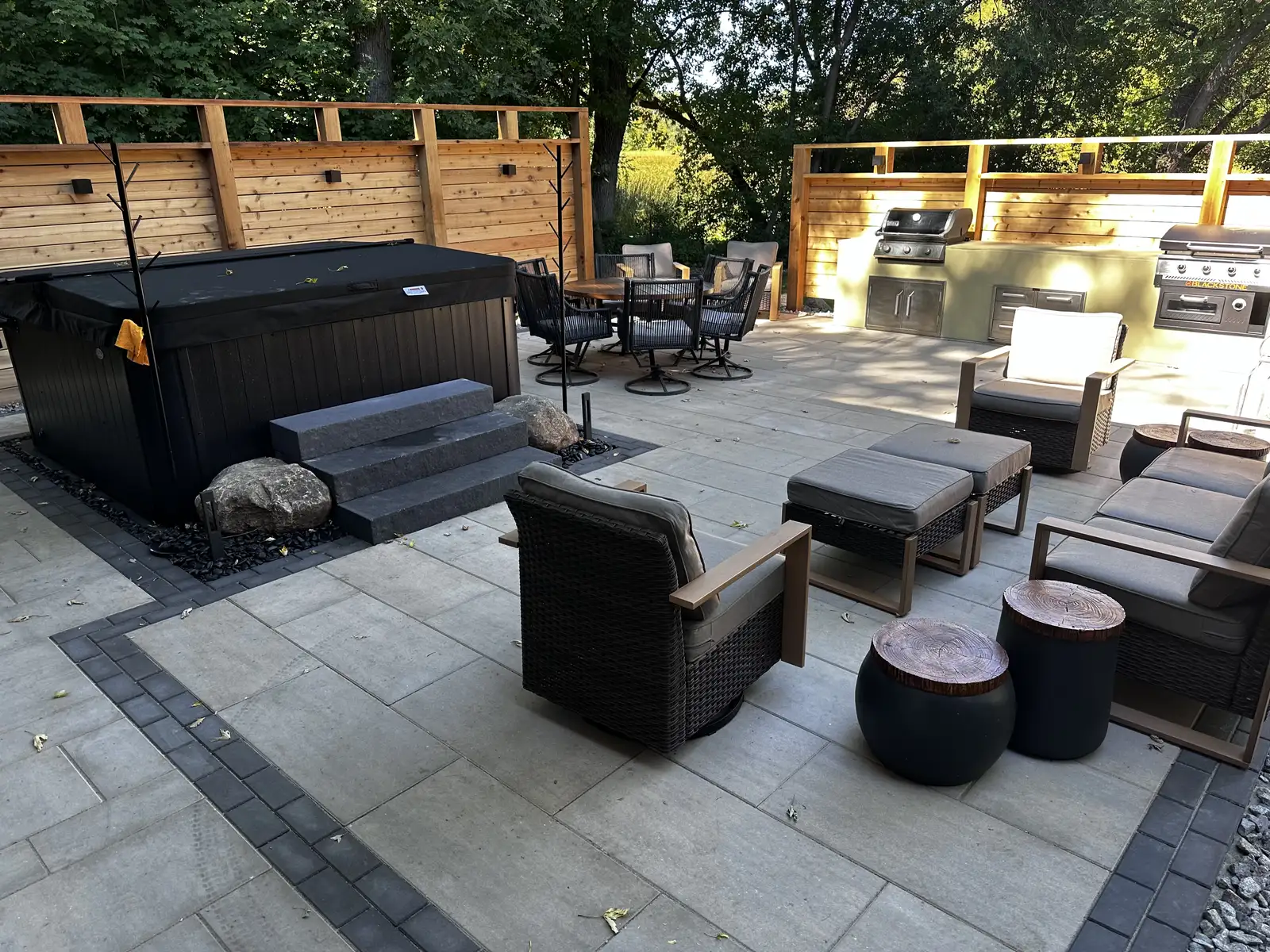
Paver Patios
Precision paver installation with proper base preparation, drainage solutions, and patterns that complement your home's architecture.
Learn more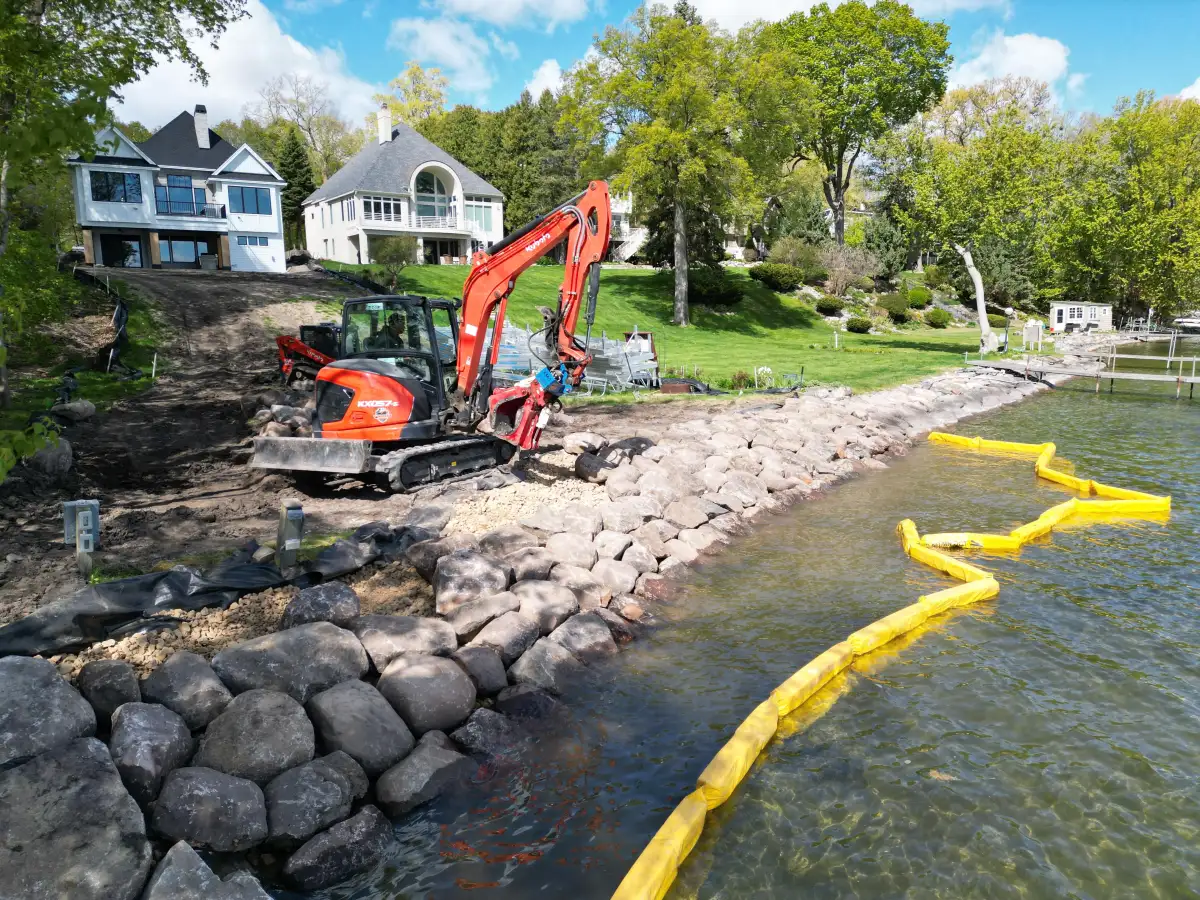
Shoreline Restoration
Engineered shoreline stabilization and erosion control for Lake Minnetonka and Prior Lake lakefront properties. Full permitting support.
Learn more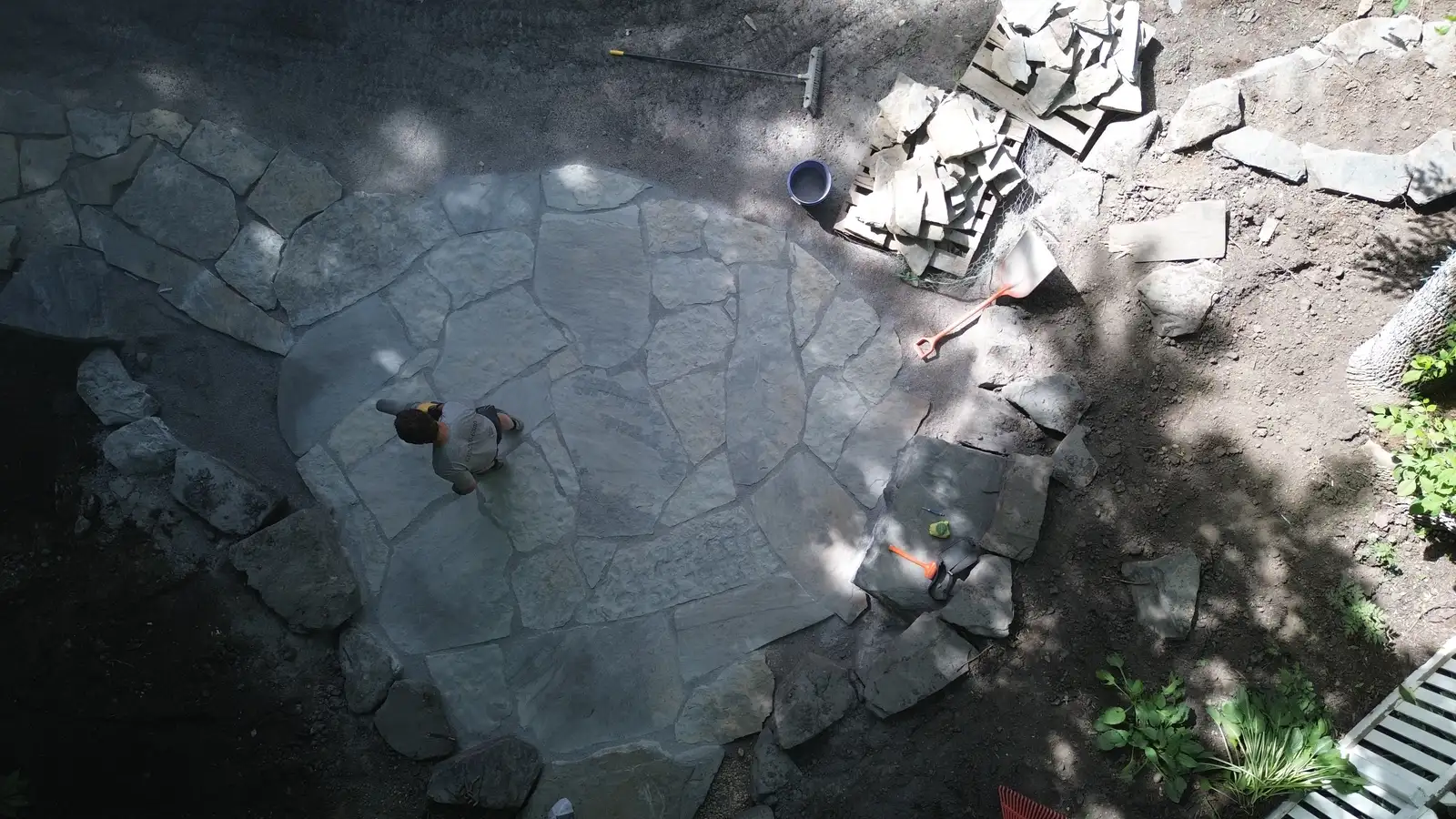
Boulder & Natural Stone
Natural boulder outcroppings, fieldstone walls, and flagstone features that blend seamlessly with Minnesota's natural landscape.
Learn more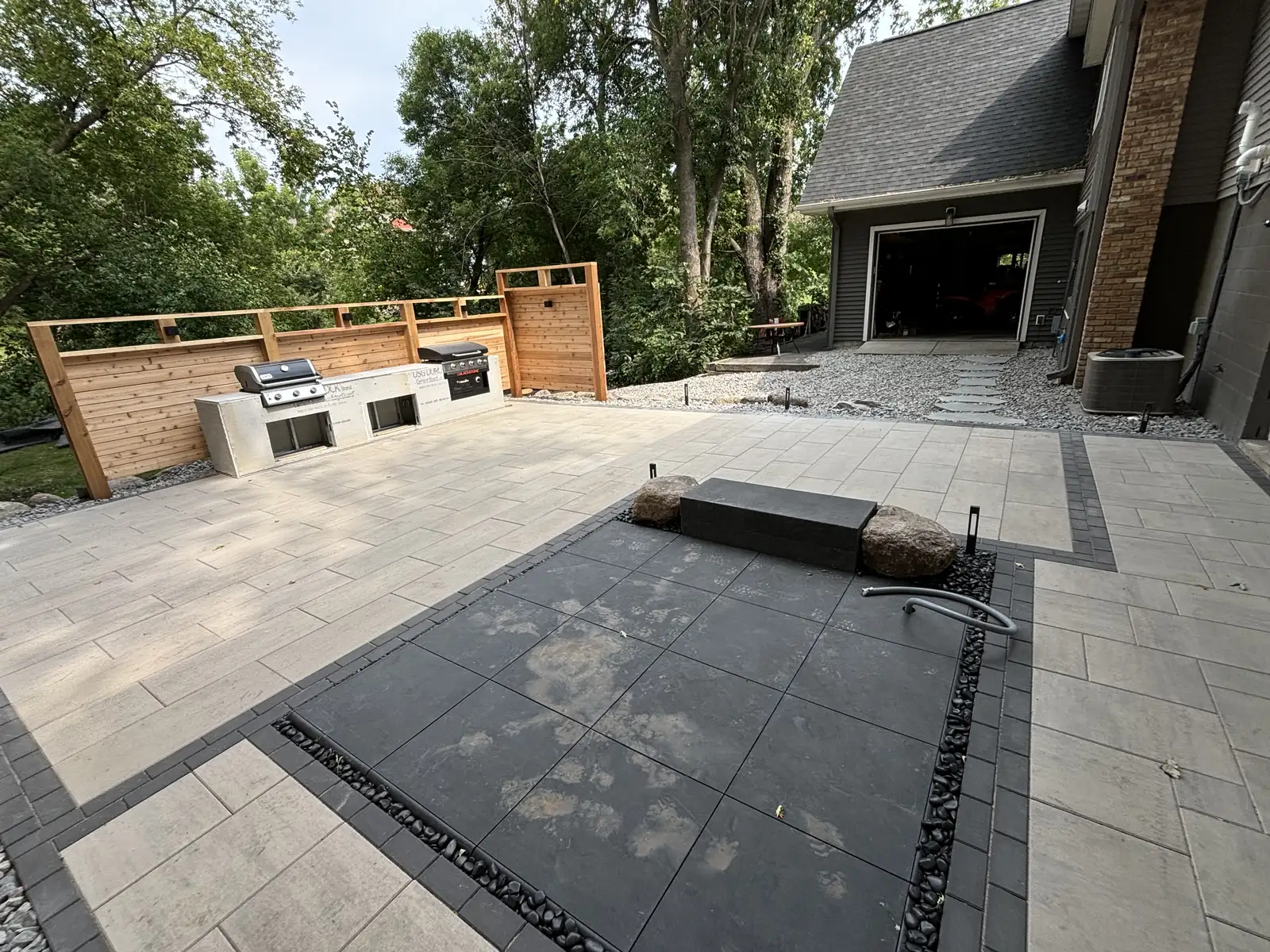
Outdoor Living Spaces
Complete outdoor kitchens, fire features, privacy screens, and gathering spaces designed around how you actually use your property.
Learn more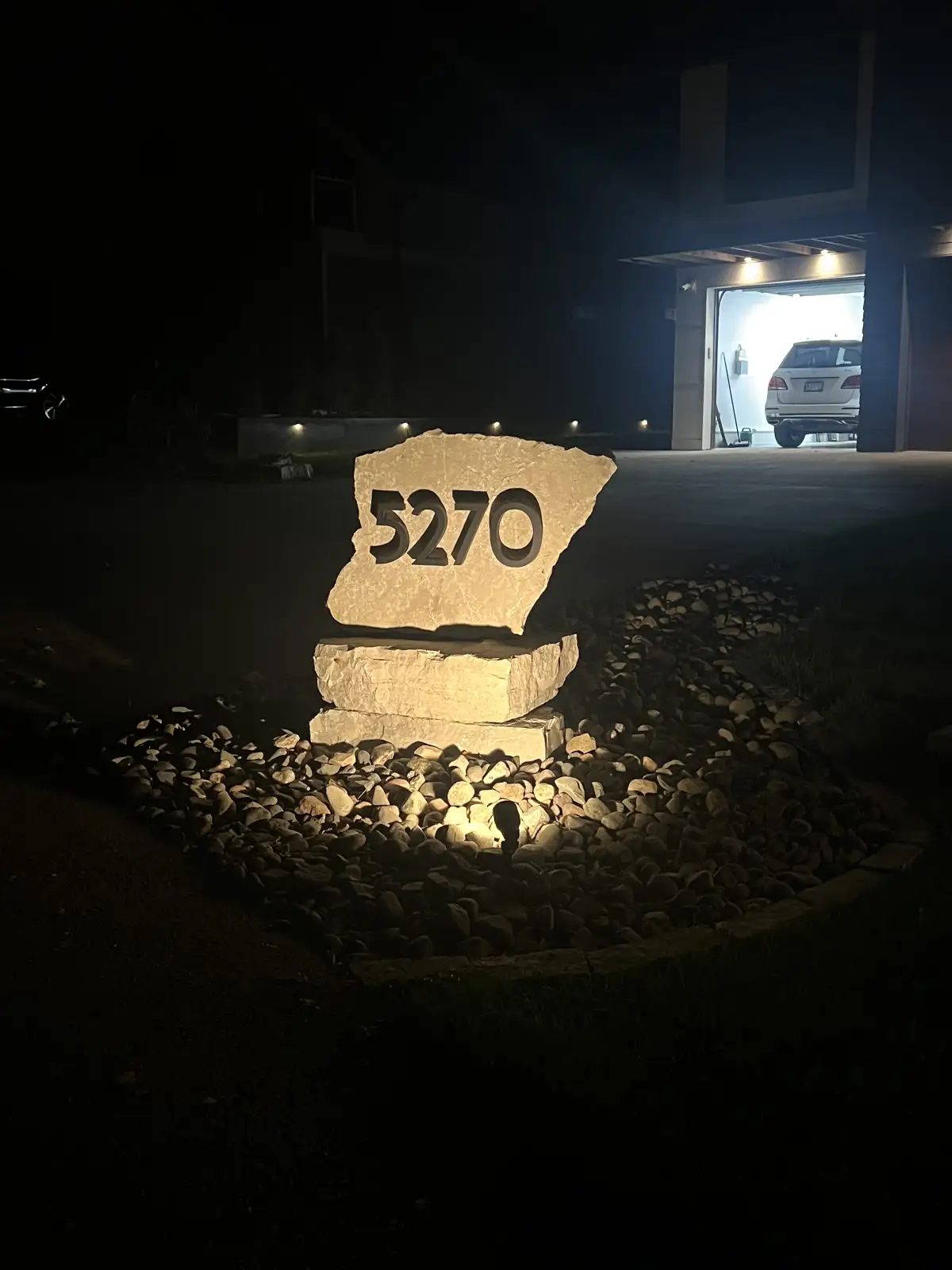
Landscape Lighting
Low-voltage LED systems that highlight architectural features, illuminate walkways, and extend your outdoor living into the evening.
Learn moreAdditional Landscape & Maintenance Solutions
Beyond design and build, we offer targeted services for yard renovations, outdoor living, plantings, and ongoing property care.
Natural Stone Work
Flagstone patios, natural stone walkways, and outcropping staircases that bring one-of-a-kind character to your property.
Learn more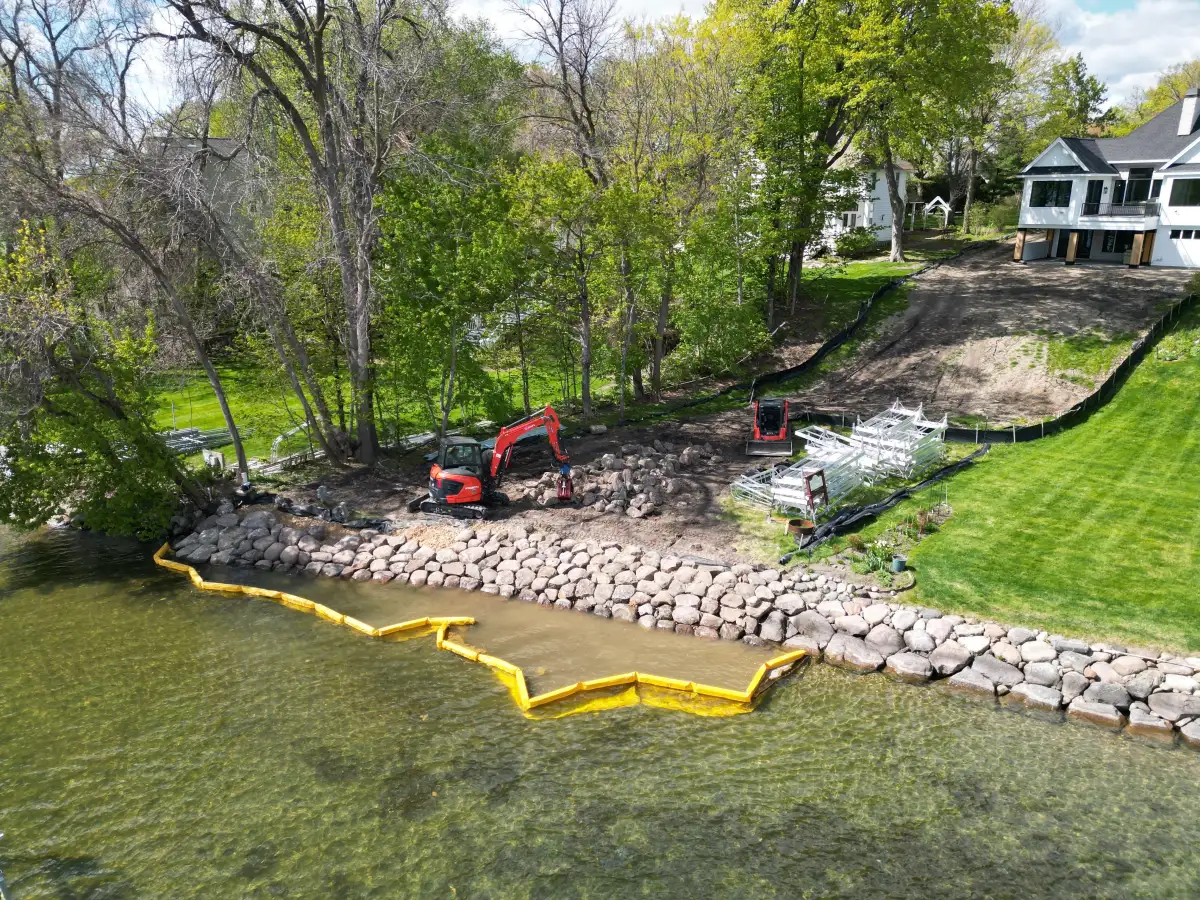
Erosion Control
Lakeshore riprap, hillside stabilization, grading, and drainage correction with full watershed permitting for lakefront properties.
Learn more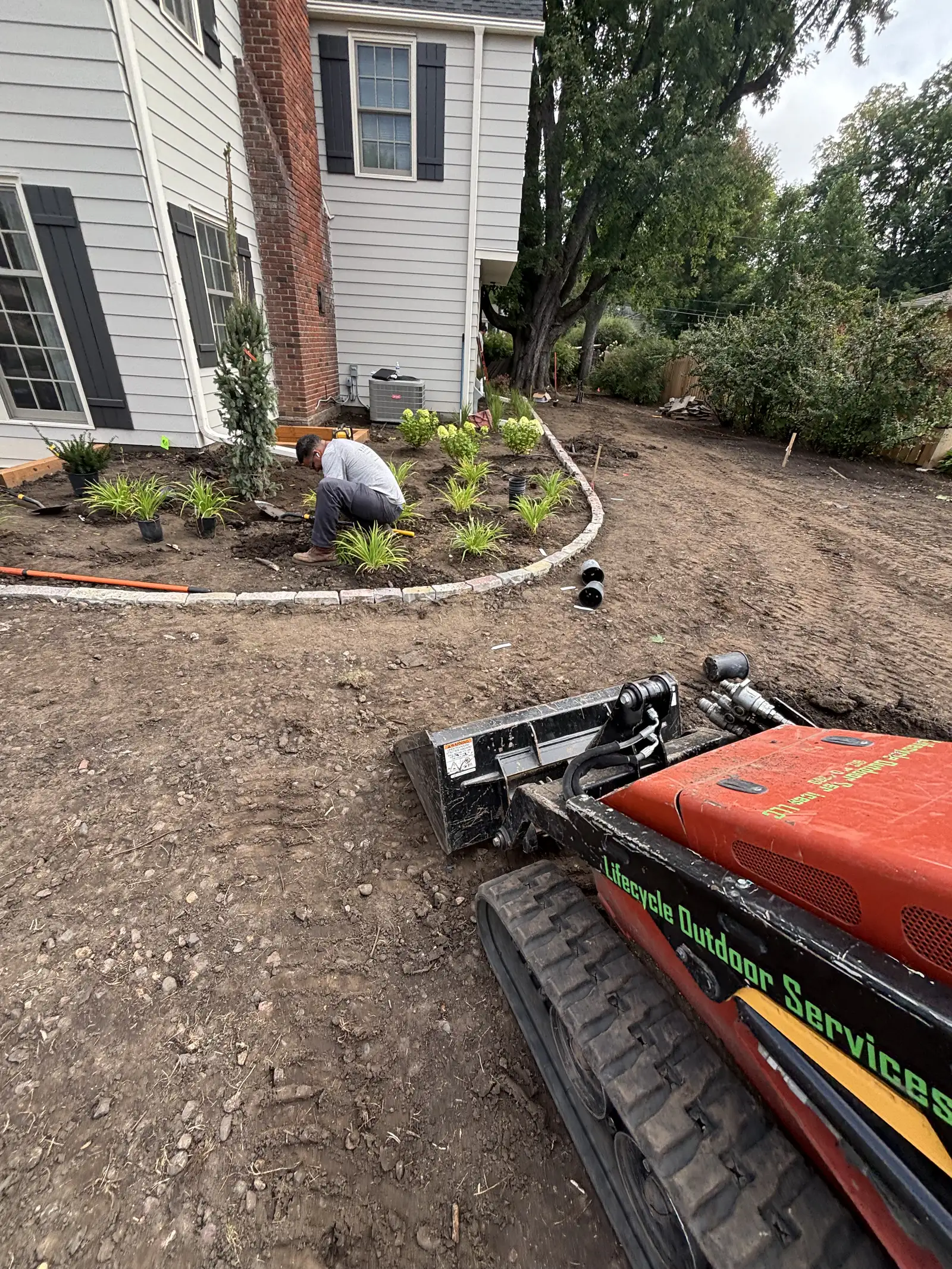
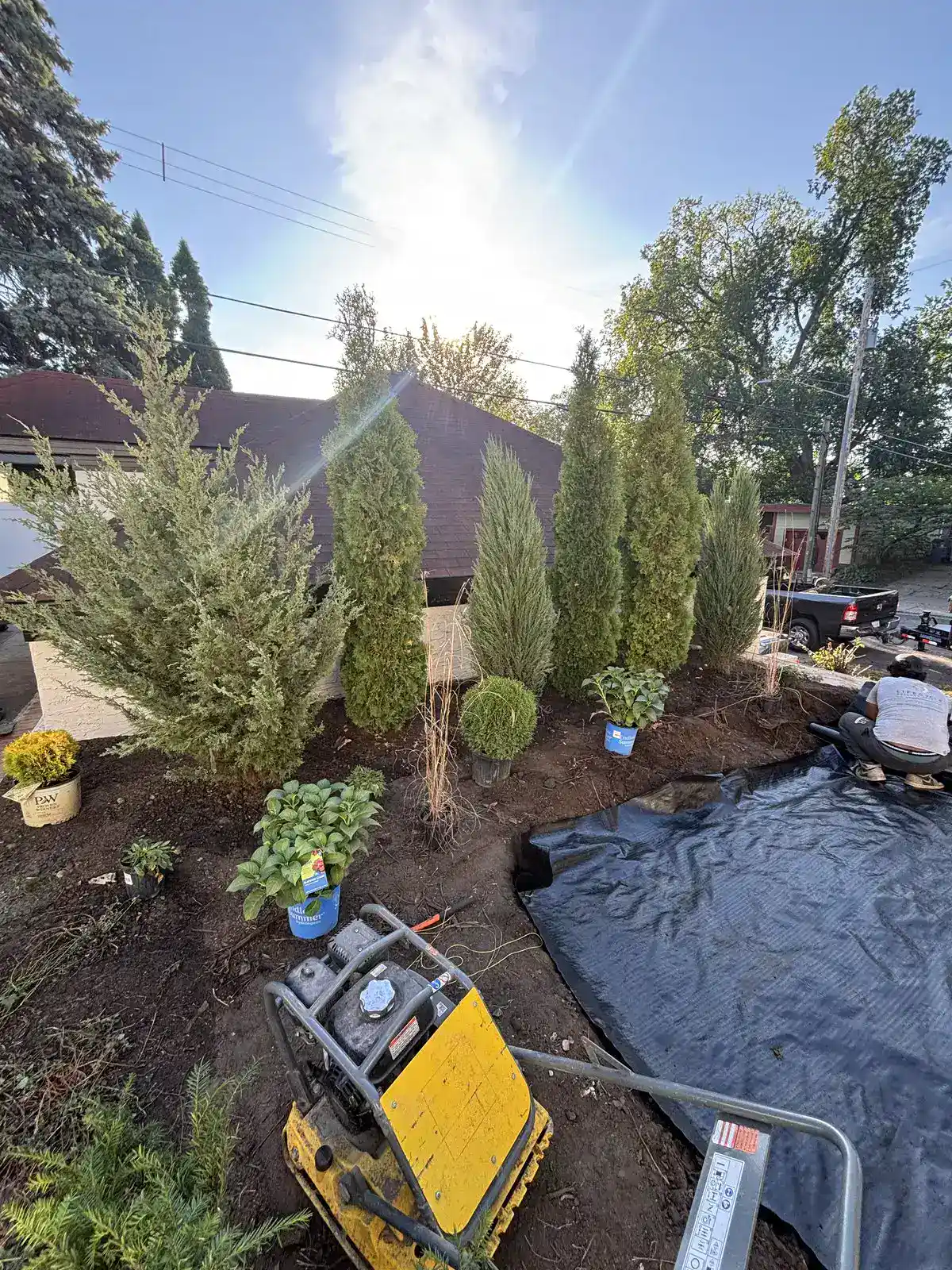
Plant & Tree Installation
Designed planting plans with hydrangeas, shade trees, privacy plantings, and seasonal color selected for Minnesota hardiness zones.
Learn more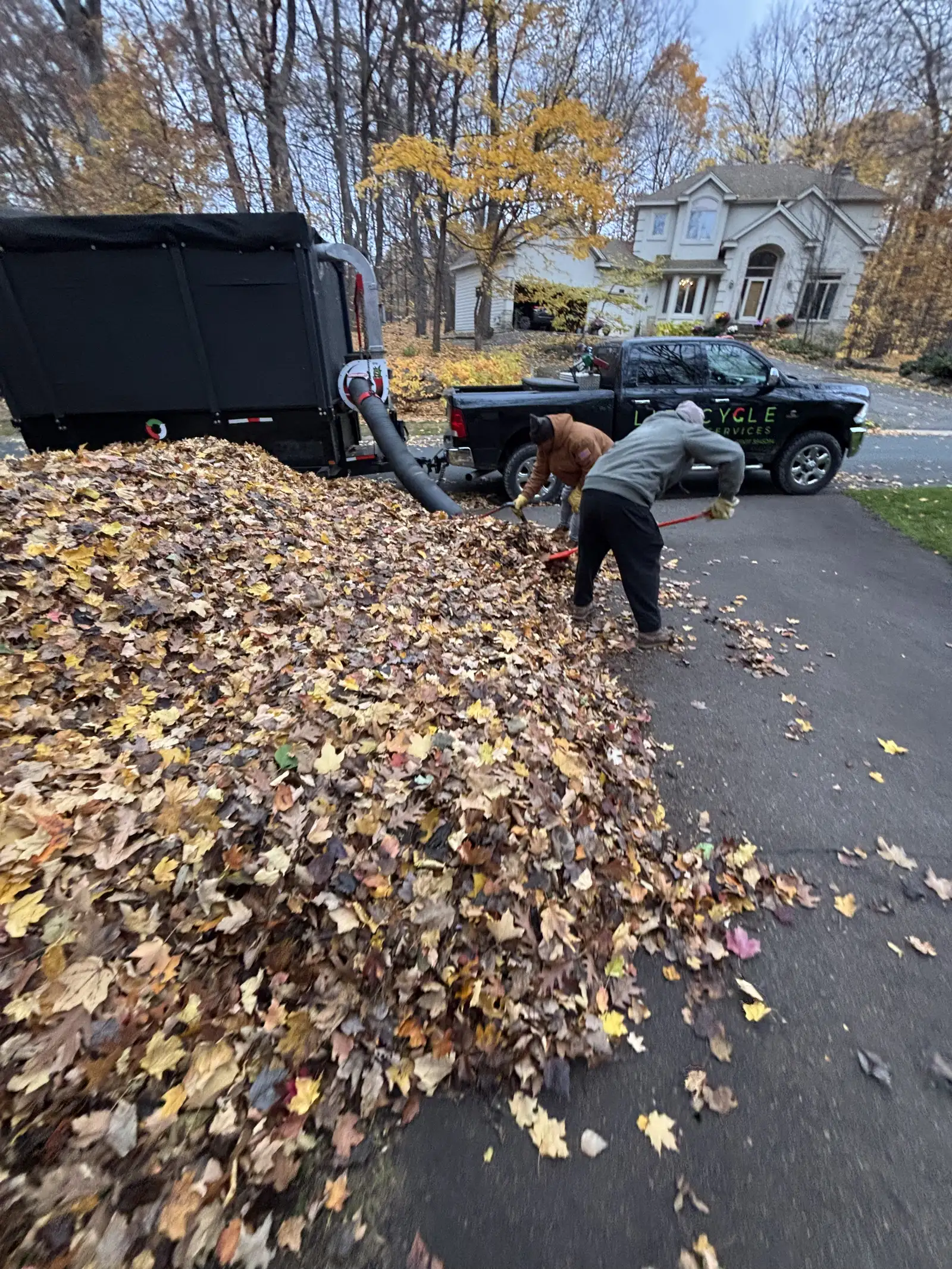
Property Maintenance
Seasonal cleanups, hedge pruning, mulching, and comprehensive property care across the Lake Minnetonka area.
Learn more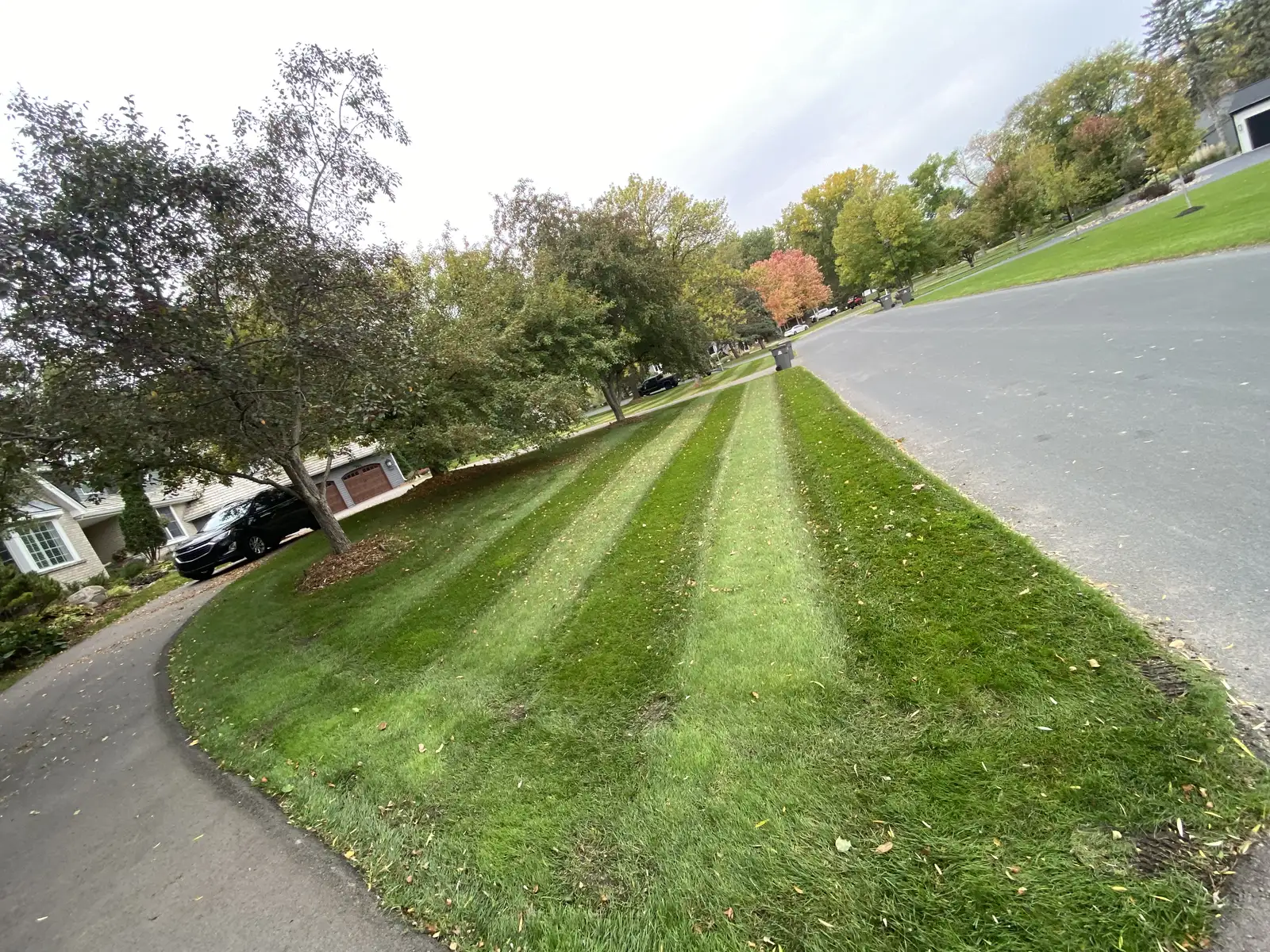
Lawn Care & Maintenance
Weekly mowing, fertilization, aeration, overseeding, and weed control programs for residential and commercial properties.
Learn more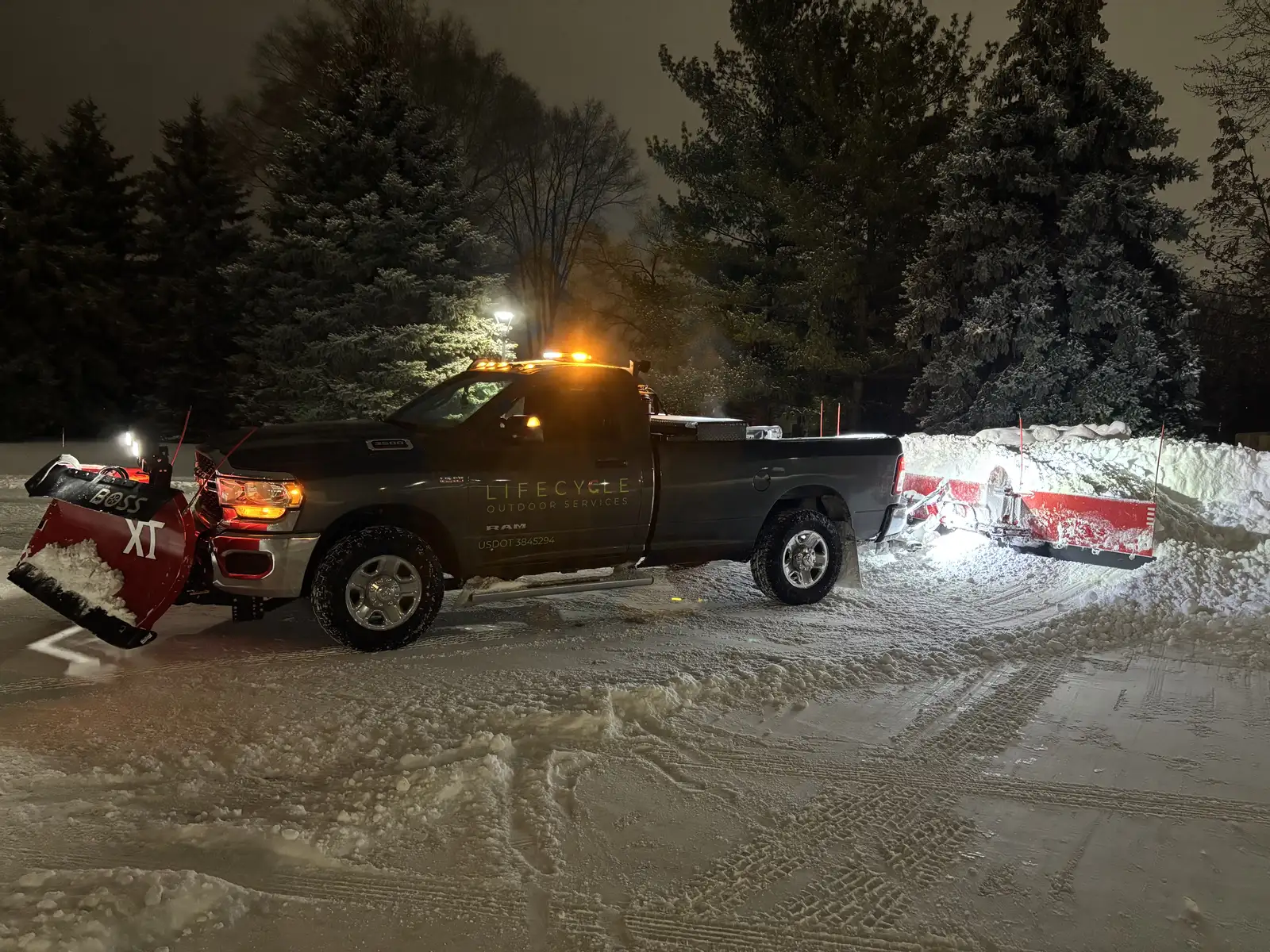
Snow Removal & Ice Management
Residential driveway plowing, commercial lot clearing, sidewalk shoveling, and de-icing with 24/7 storm response.
Learn more25+ Years of Doing It Right
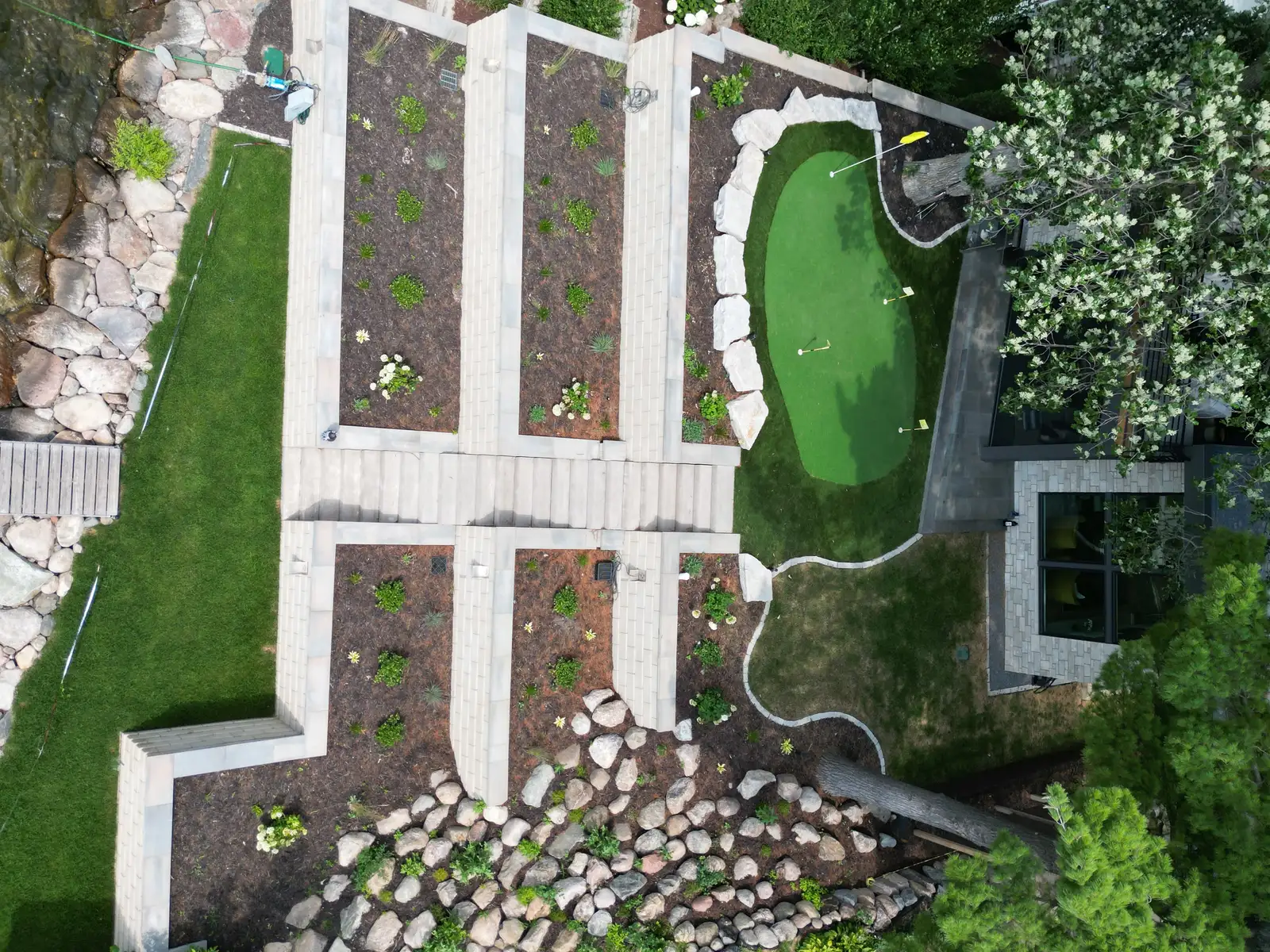
Every service we offer follows the same approach: evaluate the site, create a clear plan, use the right materials, and build it to last. We specialize in projects other companies turn down because of steep slopes, tight access, or complex permitting.
- 3D design renderings so you see the finished project before we start
- Materials selected specifically for Minnesota freeze-thaw durability
- Full permitting support for watershed and city requirements
- Transparent pricing with detailed, itemized quotes
- Local homeowner feedback from landscape and hardscape projects
Let's Build Something That Lasts
Schedule your free on-site consultation. We'll evaluate your property, discuss your vision, and provide a detailed quote -- typically within one week.
Yard Renovations, Hot Tubs & Saunas
Hot Tub & Sauna Design and Installation
Plan the setting, access, privacy, lighting, and surrounding patio for a comfortable place to unwind.
Explore hot tub and sauna projects →Front Yard & Backyard Renovations
Connect entries, patios, planting, privacy, and outdoor gathering spaces in one coordinated plan.
Plan a yard renovation →Snow Removal: Two Service Areas
Residential snow removal is available only in Mound, Minnetrista, Orono, Deephaven, Long Lake, Greenwood, Shorewood, Minnetonka, Tonka Bay, Excelsior, Wayzata.
Commercial snow removal is available in all 29 service areas.