
Landscaper cost cannot be reduced to one dependable hourly rate because “landscaping” may describe recurring yard care, a focused planting-bed improvement, a design assignment, or a construction project. Those are different purchases. The most useful price is a written total—or a clear pricing method—attached to the work your yard actually needs.
A homeowner comparing a mowing visit with a new planting bed, or a mulch refresh with a patio and drainage project, is not comparing similar scopes. First identify the category of work. Then look at labor, materials, equipment, removal, access, water management, and restoration.
Short answer: ask what the total is expected to be, what is included, and what could change it. A low hourly number can still produce a higher final cost if the crew, equipment, materials, hauling, and finish work are not defined.
Four kinds of landscaping prices homeowners encounter
The word landscaper covers several kinds of work. Matching the price to the right category is the first step toward a useful budget.
1. Recurring maintenance
Mowing, trimming, routine bed care, and seasonal cleanup may be priced per visit, by month, or for a season. Property size matters, but so do visit frequency, obstacles, slopes, hauling, leaf volume, and the exact tasks included. A maintenance quote should state what happens on each visit and which seasonal items cost extra.
2. Focused yard improvements
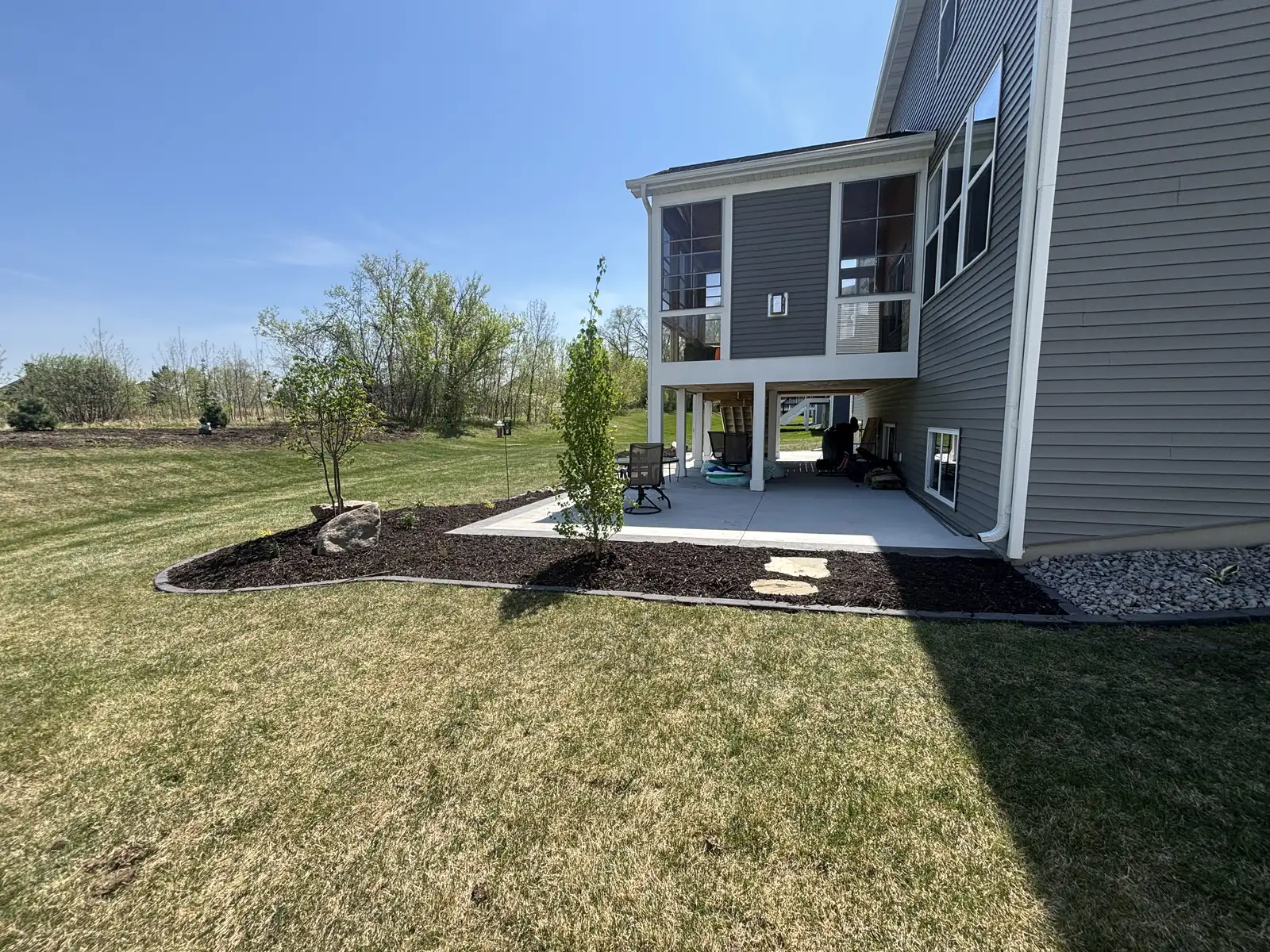
Planting-bed renovation, edging, mulch, small grade corrections, and finish work around a patio or wall may be priced as a defined job or as time plus materials. The estimate should explain removal, soil preparation, plant or material quantities, delivery, disposal, and how disturbed lawn or adjacent surfaces will be restored.
3. Landscape design
Design may be a separate fee because it resolves layout, grade, drainage, material, planting, and phasing decisions before installation. A concept for one area is different from a complete plan with measurements, elevations, selections, and 3D views. The related landscape design cost guide explains how to compare those deliverables.
4. Landscape construction
Patios, retaining walls, steps, shoreline work, major grading, drainage, lighting, and outdoor living features are construction scopes. Their totals may include excavation, aggregate, structural materials, specialized equipment, utilities, hauling, and restoration. For connected work, review landscape contractor services rather than using a maintenance rate as the budget.
What changes the cost of a landscaping project?
The amount of removal and preparation
A clear area with workable soil is different from a bed filled with roots, buried fabric, compacted material, old edging, or failed plants. Ask whether removal, disposal, imported soil, grading, and bed preparation are included. Visible finishes are only part of the work.
Access for people, equipment, and materials
A wide route from the street can support different equipment and delivery methods than a narrow side yard, steep slope, fenced space, or lake-facing backyard. The proposal should show where materials will be staged, what must be protected, and who repairs the access route after construction.
Water, grade, and soil conditions
Mulch and plants do not correct an unresolved drainage path. Low spots, roof runoff, wall outlets, heavy or compacted soil, and slopes may require preparation before the finished landscape goes in. On homes around Shorewood and Lake Minnetonka, it is worth tracing where water enters the work area and where it can leave without creating a new problem.
Material and plant choices
Plant size, quantity, species, stone, edging, mulch, soil, pavers, and delivery needs all affect the total. Ask for named materials or clear allowances, not a vague line such as “landscaping materials.” For plants, compare mature size, light and moisture fit, watering needs, and replacement terms rather than pot size alone.
Cleanup and restoration
Hauling debris, final grading, cleaning hardscape, restoring lawn, replacing disturbed edging, and leaving the yard usable all take labor and material. If one proposal includes those tasks and another does not mention them, the totals do not represent the same finished result.
How landscapers structure a price
No single pricing method is best for every job. What matters is whether the method fits the amount of uncertainty and makes your responsibility understandable.
- Per visit or seasonal pricing can fit recurring maintenance when the tasks and frequency are defined.
- Time and materials can fit small or exploratory work when the condition is difficult to measure in advance. Ask for labor rates, expected hours, material handling, equipment charges, and an approval point before the budget changes.
- Unit pricing can clarify measurable items such as plant quantities, mulch volume, edging length, or another repeated item. Confirm what preparation and finish work the unit includes.
- Fixed-scope pricing can fit a clearly defined improvement. It should state assumptions, selections, exclusions, payment terms, and the process for concealed conditions or requested changes.
Why the hourly rate does not answer the cost question
An hourly rate might cover one person with hand tools, a crew with compact equipment, or labor only while materials and hauling appear elsewhere. Production also varies. The lower rate is not necessarily the lower total if the scope takes longer or leaves more work outside the proposal.
If a job will be billed hourly, ask five things: how many people are included, what equipment is included, how travel and disposal are handled, which materials are separate, and what number of hours the contractor currently expects. Also confirm who can authorize extra time.
Turn your idea into a comparable estimate
You do not need a complete design before the first call. You do need to describe the same problem to every contractor. Share:
- the property address and clear photos of the work area and access route;
- what is frustrating you now—such as a wet bed, failing edge, overgrown planting, bare slope, or unfinished patio border;
- how you want to use or maintain the area after the work is complete;
- the features and plants that must remain;
- known drainage, utility, wall, irrigation, boundary, or access concerns;
- whether this is a one-time improvement or one phase of a larger plan; and
- your preferred timing and any decision deadline.
For a focused bed, edging, mulch, planting, or finish-grade project, start with Lifecycle Outdoor Services’ landscaper service. If several features or future phases must fit together, the first step may be landscape design.
How to control cost without creating rework
Choose a priority area and a clear outcome before expanding the scope. Keep sound existing plants and hardscape when they fit the plan. Make material selections early enough to avoid comparing open allowances. If the full yard will be completed in phases, coordinate drainage, grades, access, utilities, and future connection points before finishing the first phase.
Do not seek savings by leaving water movement, soil preparation, base work, or restoration undefined. A smaller completed scope is easier to budget than a larger proposal that depends on missing preparation or verbal assumptions.
Local estimates should reflect the actual yard
Homes across the west metro can present very different combinations of mature trees, shade, slopes, wet areas, established hardscape, shoreline influence, and equipment access. Those conditions are why a price from an unrelated yard—or a broad online average—cannot replace a site-specific scope.
Lifecycle Outdoor Services provides landscaping from its Shorewood base throughout the Lake Minnetonka area and western suburbs. If your yard is in Shorewood or Minnetonka, your estimate should reflect its existing grade, drainage, access, and the finished result you want. Request a quote to discuss your plans.
Frequently asked questions
How much does a landscaper charge per hour?
An hourly rate is meaningful only when you know whether it covers one worker or a crew, which equipment is included, how materials and disposal are billed, and how many hours the work is expected to take. For defined projects, a written scope and expected total are often more useful than an hourly number by itself.
What should a landscaping estimate include?
It should define the work area, removal and preparation, labor, materials and quantities or allowances, equipment, hauling and disposal, drainage or grading, protection of existing features, cleanup, restoration, exclusions, and how changes will be approved.
Why can two landscaping estimates be very different?
The proposals may include different amounts of removal, soil preparation, base work, drainage, material, equipment access, cleanup, or restoration. Compare the written assumptions and quantities before treating the totals as bids for the same work.
Do I need a landscaper, a landscape designer, or a landscape contractor?
A focused bed, edging, mulch, planting, or finish-grade improvement may begin with a landscaper. A project with several layout decisions may need landscape design first. Work involving patios, walls, major grading, drainage, stairs, utilities, or several connected features usually needs a construction scope from a landscape contractor.
How do I request a landscaping estimate from Lifecycle Outdoor Services?
Use the contact form or call (612) 220‑6380. Share your address, photos, the area you want changed, what is not working now, the result you want, timing, and any known concerns involving water, slopes, access, walls, patios, or existing plants.
Ready for a site-specific landscaping estimate? Contact Lifecycle Outdoor Services or call (612) 220‑6380. Photos, your address, and a short list of priorities will help make the first conversation more useful.