
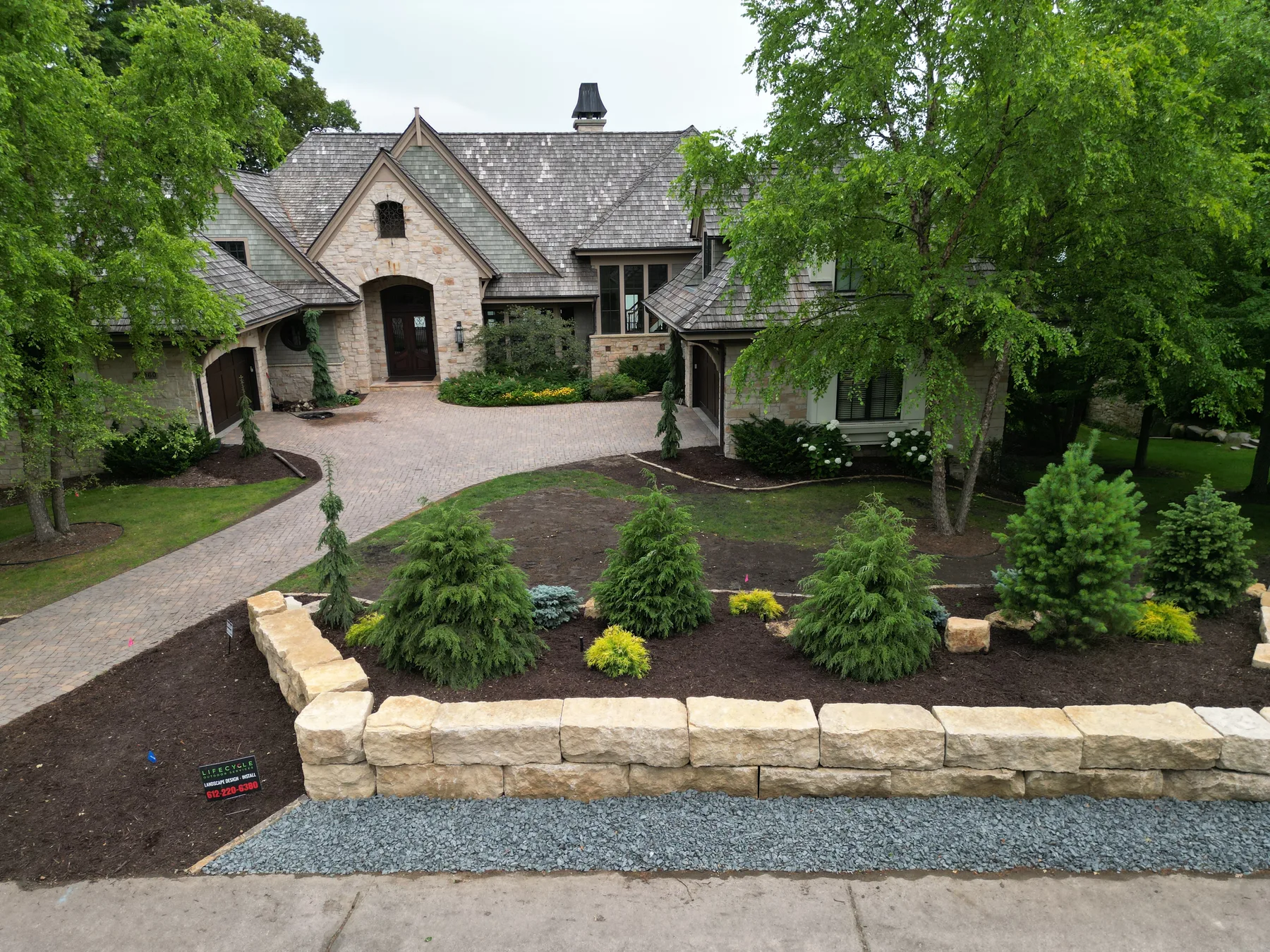
When interviewing a landscape contractor, Shorewood homeowners should listen for answers that connect design, grading, drainage, access, construction, and restoration. A confident “yes, we can build it” does not explain whether the plan fits the property or whether two estimates include the same work.
The questions below help you evaluate the substance of the answer. They apply whether you are planning one defined feature or coordinating several improvements. You can also review Lifecycle Outdoor Services’ landscape contractor services and the company’s Shorewood service-area page before starting a project conversation.
Bring a short project brief to the site visit. Note the areas you want to change, what is not working now, how you want to use the space, and any concerns about water, slopes, access, existing walls, utilities, or future phases. That context helps a contractor discuss the right scope.
1. What problem should the project solve?
A useful answer starts with how you want the property to function. More seating, a safer route between elevations, less standing water, a stable slope, easier maintenance, and a better connection to the lake are different goals even when they involve some of the same materials.
Listen for follow-up questions about how the space is used now and what must improve. Material recommendations make more sense after the contractor understands the purpose. If the project connects several features or changes elevations, ask whether landscape design should resolve layout and grade relationships before the construction scope is finalized.
2. Which property conditions will shape the plan?
A contractor should look beyond the outline of a proposed patio, wall, or planting bed. Existing grades, downspouts, low areas, mature trees, irrigation, utilities, neighboring edges, shoreline exposure, and the route between the street and work area can all affect the plan.
A strong answer identifies which conditions are already known and which need to be verified. It should also explain whether the plan depends on measurements, material selections, utility locations, site access, or other decisions that are not final yet.
3. How will water move after the work is complete?
Patios, retaining walls, steps, and finish grading can redirect runoff. Ask where water enters the project area, how surfaces will pitch, where drainage components will discharge, and how the finished work connects to the rest of the yard. The answer should describe a complete path rather than a drain with no clear outlet.
If the property already has wet areas, ask how the proposed work addresses the cause. Depending on the site, that may involve surface grading, downspout routing, swales, wall drainage, or a more focused yard renovations. The right method depends on the source of the water and a workable discharge point.
4. What is included below and behind the finished surface?
Many of the details that determine long-term performance disappear after installation. For a paver patio, ask about excavation, aggregate base, compaction, bedding, pitch, edge restraint, joints, and transitions. For a retaining wall, ask about base preparation, drainage stone, backfill, outlets, and how nearby grades meet the wall.
You do not need to prescribe a construction method. You do need enough detail to know whether competing proposals cover comparable preparation and structural work.
5. How will access, protection, and restoration be handled?
Ask how crews, equipment, and material deliveries will reach the project; where materials will be staged; and which driveways, lawns, trees, irrigation components, or existing hardscapes need protection. Tight side yards and sloped or lake-facing properties can make access part of the project plan rather than a minor scheduling detail.
The answer should also identify expected disturbance and the restoration included at closeout. If lawn repair, final grading, seed, sod, mulch, or cleanup is excluded, that should be clear before you compare totals.
6. Which numbers are fixed, and which are allowances?
An allowance is not automatically a problem. It is an estimated amount for a selection or quantity that has not been finalized. Ask what each allowance covers, which assumptions support it, when the choice must be made, and how the total changes if the final selection is above or below the allowance.
Also ask about exclusions and owner-supplied items. Two estimates can show similar totals while treating demolition, disposal, delivery, electrical work, planting quantities, restoration, or material upgrades very differently.
7. Who confirms approvals, utilities, and preconstruction details?
Before booking, ask whether the proposed work may require permits, association review, utility coordination, or other property-specific approvals—and who is responsible for confirming them. Do not rely on a general answer when the scope, location, and site conditions determine what applies.
A clear preconstruction plan should also identify the selections, layout approvals, deposits, utility markings, access arrangements, and schedule decisions needed before work can begin.
8. What happens when a field condition or homeowner decision changes the scope?
Ask who will be your primary contact, how updates are shared, and how changes are documented. A useful change process explains the reason, added or reduced cost, and schedule effect before changed work proceeds.
This matters when excavation reveals an unexpected condition, a material becomes unavailable, or a layout decision changes after it is marked on site. Clear documentation keeps the homeowner and contractor working from the same scope.
9. What does complete mean?
Project closeout should be more specific than “construction is finished.” Ask whether it includes surface cleaning, final grading, drainage observation, lawn or planting restoration, removal of excess materials, care guidance, operation of installed lighting or other features, and a walkthrough of the agreed scope.
Before you book, you should know how remaining concerns are documented and what written product or workmanship information applies. The answer creates a shared definition of completion.
A quick way to compare contractor answers
After each conversation, sort the answers into three columns: confirmed, needs verification, and excluded. Compare scope, site conditions, water movement, construction details, access, protection, restoration, allowances, approvals, communication, and closeout. Ask for written clarification where an important item remains unclear.
This approach does not eliminate judgment, and the lowest price may still be the right choice. It simply helps ensure you are comparing the same outcome before making the decision.
Frequently asked questions
What should I ask a landscape contractor during the first site visit?
Ask what problem the proposed work is solving, which site conditions affect the plan, how water and access will be handled, what is included in the scope, and which decisions must be made before final pricing.
How detailed should a landscape proposal be?
A useful proposal should define the work area, demolition, excavation, materials or allowances, installation details, drainage, protection, restoration, exclusions, payment milestones, and how changes will be approved.
Why do allowances matter in a landscape estimate?
An allowance reserves an estimated amount for a selection or quantity that is not final. Ask what it covers, what assumptions support it, and how the total changes if the final selection costs more or less.
Does Lifecycle Outdoor Services serve Shorewood, MN?
Yes. Lifecycle Outdoor Services is based in Shorewood and provides landscape contractor services in Shorewood and communities throughout the Lake Minnetonka area.
Planning landscape work in Shorewood? Request a consultation with Lifecycle Outdoor Services or call (612) 220-6380. Include your property address, the area you want to improve, the result you want, and any concerns about drainage, grade, access, or existing construction.