
A Paver Patio Is Only as Good as What Is Beneath It
Paver patio installation is one of the most common landscape projects in the Minnetonka area, but the quality difference between a properly built patio and a poorly built one is enormous. The Interlocking Concrete Pavement Institute (ICPI) reports that 80% of paver patio failures are caused by inadequate base preparation -- not by the pavers themselves. In Minnesota, where freeze-thaw cycles shift and heave the ground 50+ times per year, base construction is not just important, it is everything.
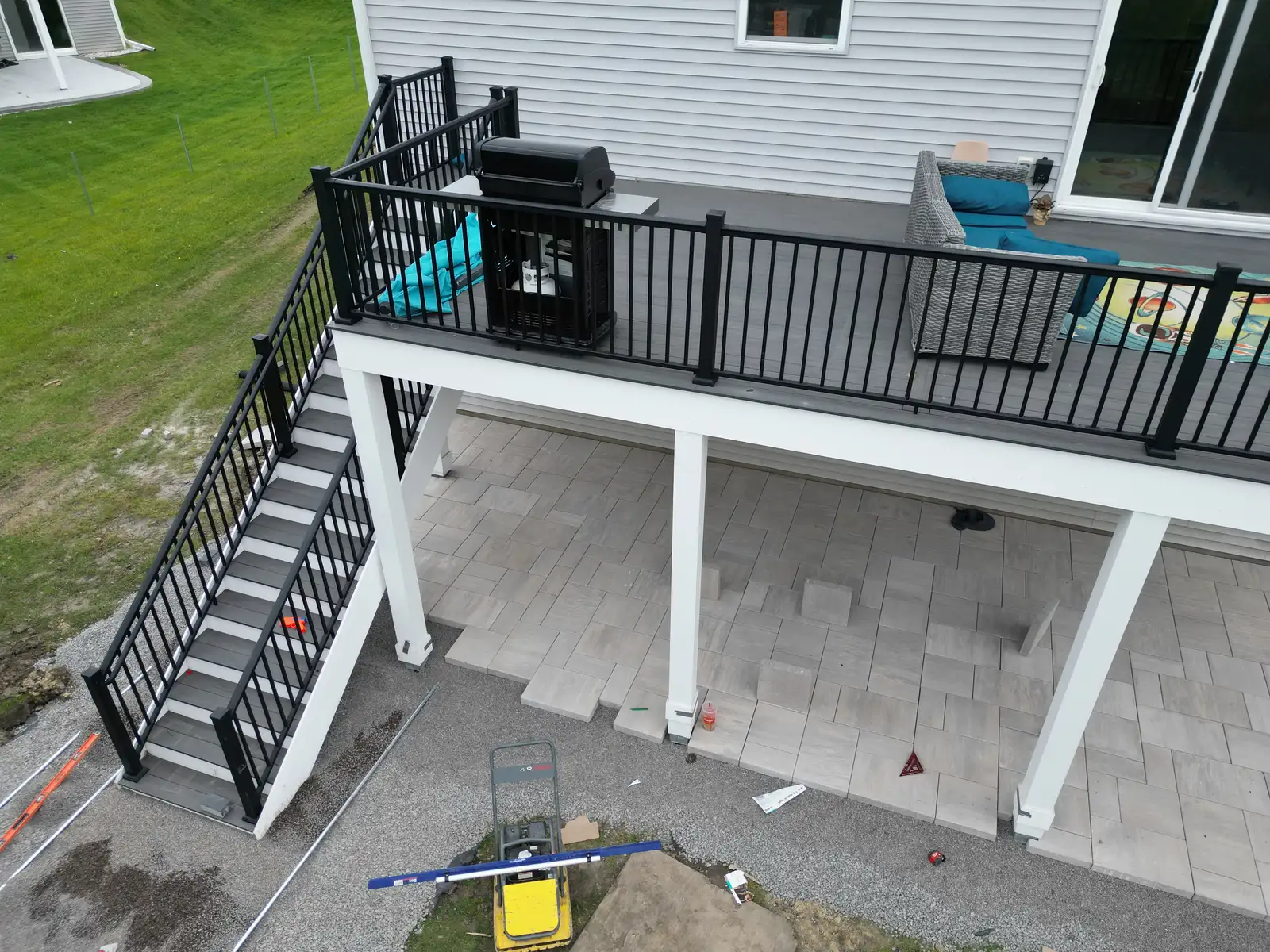
A properly installed paver patio in Minnesota requires 6 to 8 inches of compacted aggregate base (Class 5 crushed limestone), 1 inch of leveling sand, interlocking pavers with tight joints, polymeric sand for joint stabilization, and perimeter edge restraint to prevent spreading. Skipping or skimping on any of these steps leads to settling, shifting, weed growth, and structural failure within 3 to 5 years. Our Wayzata paver patio project demonstrates the level of base work and attention to detail we put into every installation.
At Lifecycle Outdoor Services, we follow ICPI standards on every patio we build. We excavate to the correct depth (typically 10 to 12 inches below finished grade), compact base material in 2-inch lifts with a plate compactor, verify compaction density, and screed the leveling sand to within 1/8-inch tolerance before laying a single paver. This is why our patios stay level and drain properly for 25+ years -- not 5.
How We Build Patios That Last
3D Design & Layout
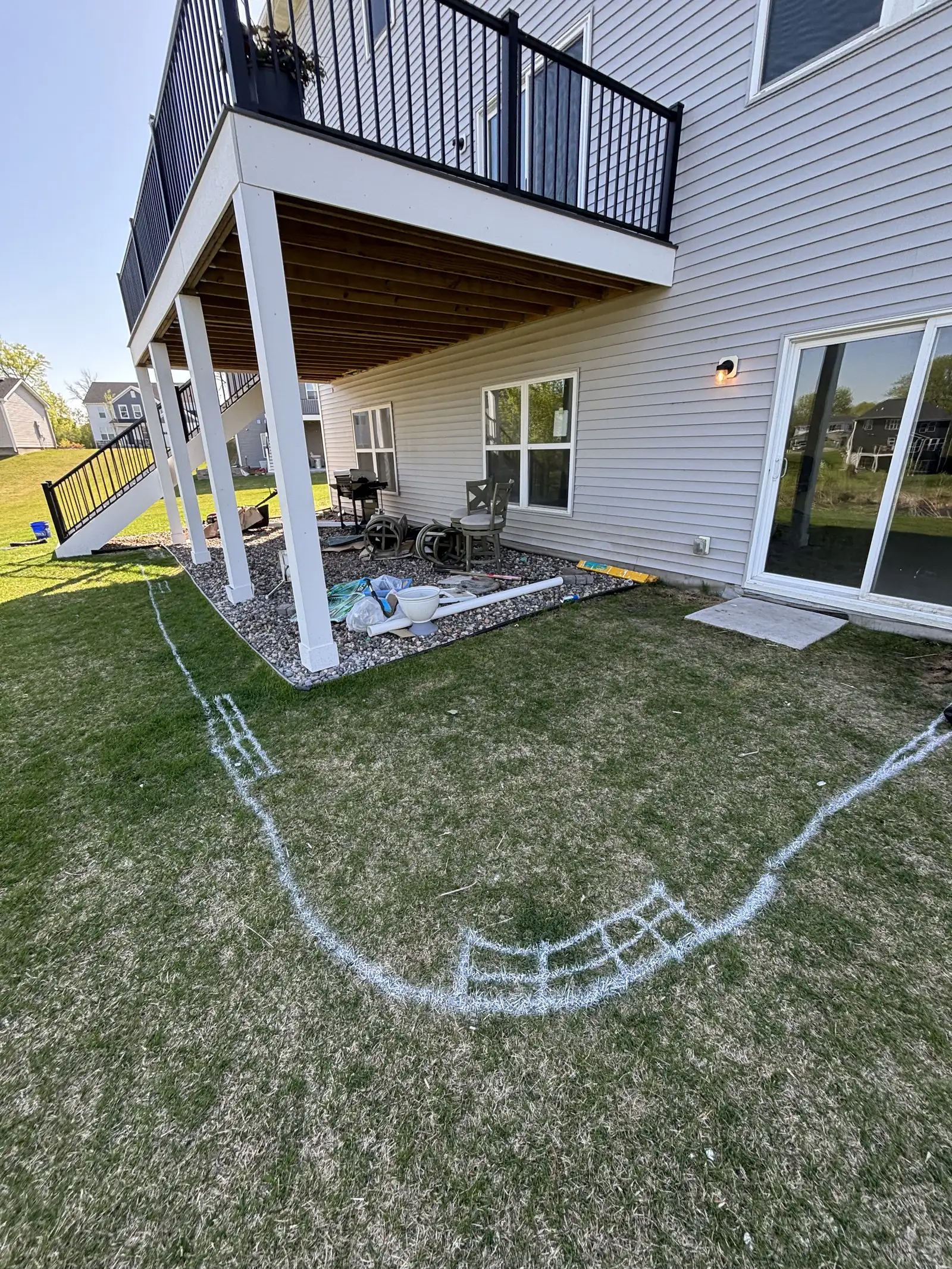
Every patio starts with a detailed 3D rendering that shows the exact paver pattern, color selection, border details, and relationship to your house, yard, and landscape features. You approve the design before we begin, so there are no surprises. We stake the patio footprint on-site and verify dimensions before excavation.
Excavation & Base Construction
We excavate 10 to 12 inches below the finished patio height, remove all organic material, and install 6 to 8 inches of Class 5 crushed limestone base compacted in 2-inch lifts. Each lift is compacted to 95% standard Proctor density using a reversible plate compactor. The base is graded with a 1% slope away from the house for surface drainage.
Paver Installation & Cutting
After screeding 1 inch of coarse bedding sand, we lay pavers in the selected pattern with consistent 1/8-inch joints. Border pavers and cuts around curves, steps, and house walls are made with a wet saw for clean, precise edges. Every paver is checked for level and alignment as it is placed. After laying, the entire surface is compacted with a rubber-pad plate compactor to seat pavers into the sand bed.
Joint Sand & Edge Restraint
Polymeric sand is swept into all joints and activated with water, creating a flexible binding that prevents weed growth, insect infiltration, and joint erosion. Perimeter edge restraint (heavy-duty plastic or aluminum) is installed around the entire patio and secured with 10-inch spikes to prevent pavers from migrating outward over time. This final step locks the patio into a unified, stable surface.
Paver Patio FAQ
Paver patios in the Minnetonka area typically cost $22 to $40 per square foot installed, including excavation, base, pavers, polymeric sand, and edge restraint. A standard 400-square-foot patio runs $8,800 to $16,000. Premium pavers, complex patterns, and integrated features like fire pits, seat walls, and steps increase the cost. We provide detailed itemized quotes after evaluating your site and discussing your design preferences.
Most residential paver patios take 3 to 7 days to complete depending on size and complexity. A standard 300 to 500-square-foot patio with straightforward access takes 3 to 4 days. Larger patios with integrated steps, seat walls, fire features, and complex grading can take 5 to 7 days. Weather delays are rare once excavation is complete since paver installation can proceed in light rain.
Our paver patios page covers our full range of patio design services, materials, and project examples. This page focuses specifically on the installation process -- base construction, compaction standards, and the technical details that determine whether a patio lasts 5 years or 25 years. If you are comparing contractors, the installation methods described here are what separates professional work from shortcuts.
Get a Free Quote Today
Schedule your free on-site consultation. We will evaluate your property, discuss your goals, and provide a detailed proposal with transparent pricing.